Understanding DiamondsThe Complete Buyer's Guide
From the 4Cs to shapes and lab-grown vs mined — everything our sourcing partners need to specify, verify and buy lab-grown diamonds with confidence.
Diamond Education
The 4Cs ofa Diamond
Every stone we manufacture is carefully assessed against these four universal standards.
01Cut
Facet brilliance
- EX
- VG
- G
- F
- P
Ships EX–VG only
Our StandardEX - VG
02Colour
Body tone, D→Z
- D
- G
- J
- M
- Z
Standard range D–M
Our StandardD-E-F
03Clarity
Inclusions, 10×
- FL
- VVS
- VS
- SI
- I1–3
Certified IF–SI2
Our StandardVVS - VS
04Carat
1ct = 200mg
- .25
- .50
- 1.00
- 1.50
- 2.00+
0.005–3.00ct melee to solitaire
Our StandardMelee to 1.50 CT


Shapes We Cut
Unique Shapes, Cut In-House
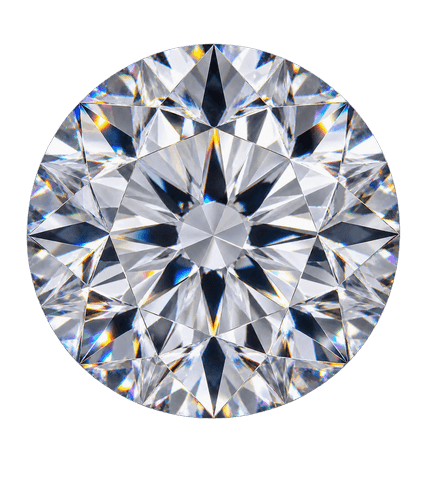
Round Brilliant
Available Sizes0.03 - 1.50 CT
- Table %
- 54 – 58
- Depth %
- 59 – 63
- Girdle
- Thin – Sl. Thick
- Polish
- Ex / VG
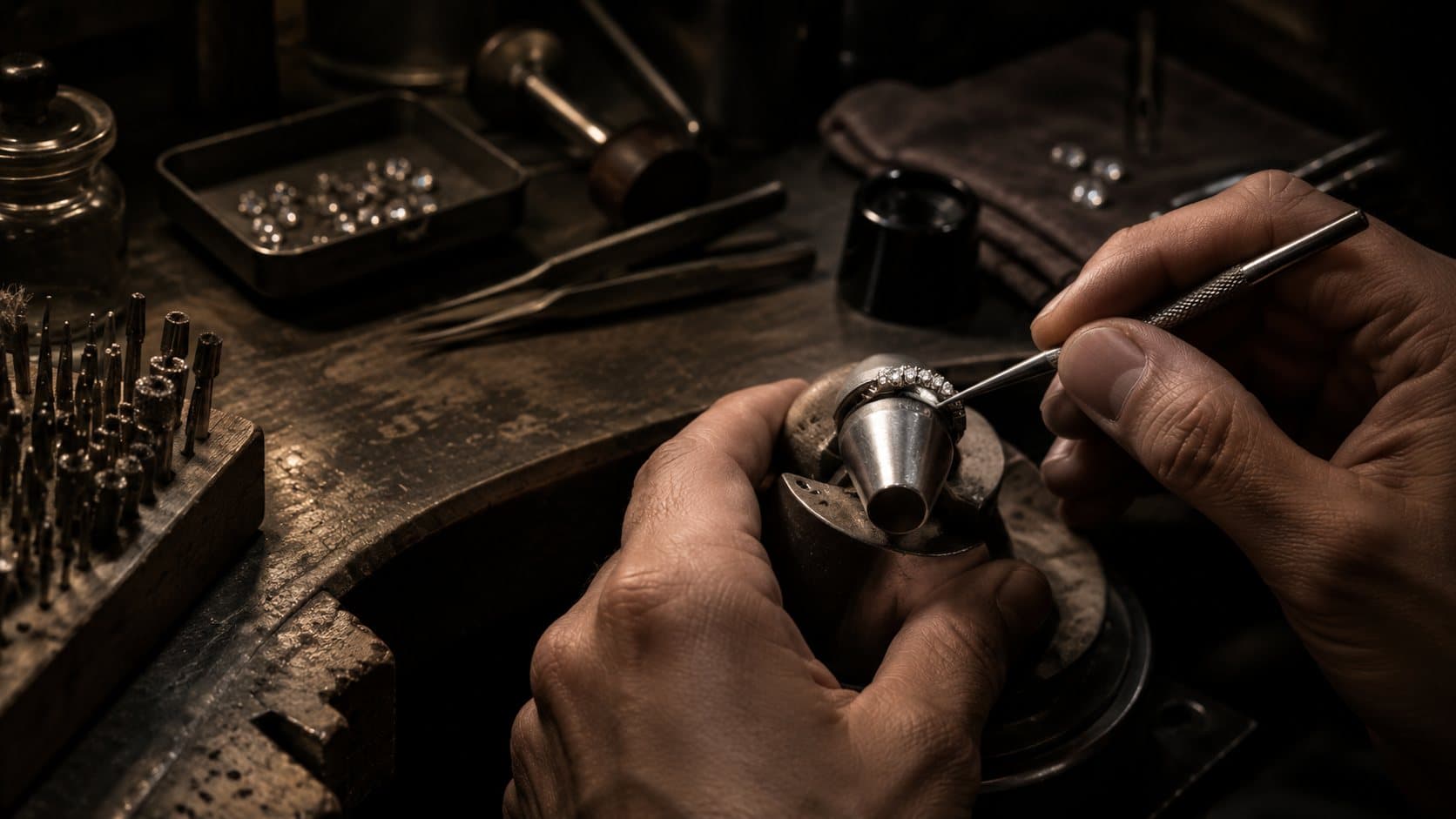
Our Technology
Grown in Weeks, Not Eons
Buyers increasingly ask about origin. Here is how the two compare — and exactly where we stand.
Lab-Grown Diamonds
HPHT • Precision Manufacturing
- Formation
- Grown in 3–10 weeks under high pressure high temperature technology (HPHT)
- Composition
- Chemically, optically and physically identical to mined stone
- Grading
- Graded on the same universal 4Cs, by the same laboratories
- Supply
- Consistent supply, so repeat parcels stay true to spec
- Manufacturing
- Produced using controlled technology, allowing manufacturing to respond to specific market requirements.
 Grown in 3–10 weeks under high pressure high temperature technology (HPHT)
Mined (Natural) Diamonds
Not part of our current range
- Formation
- Formed 1–3 billion years ago in the earth’s mantle
- Composition
- Chemically identical — same crystal structure, same carbon
- Grading
- Graded on exactly the same 4Cs, by the same laboratories
- Supply
- Finite supply drives higher, more volatile price points
- Manufacturing
- Dependent on naturally occurring rough diamonds recovered through mining.
Bhargovi Gems manufactures lab-grown diamonds exclusively. This comparison is published for buyer education, not as a sales position.
Reference
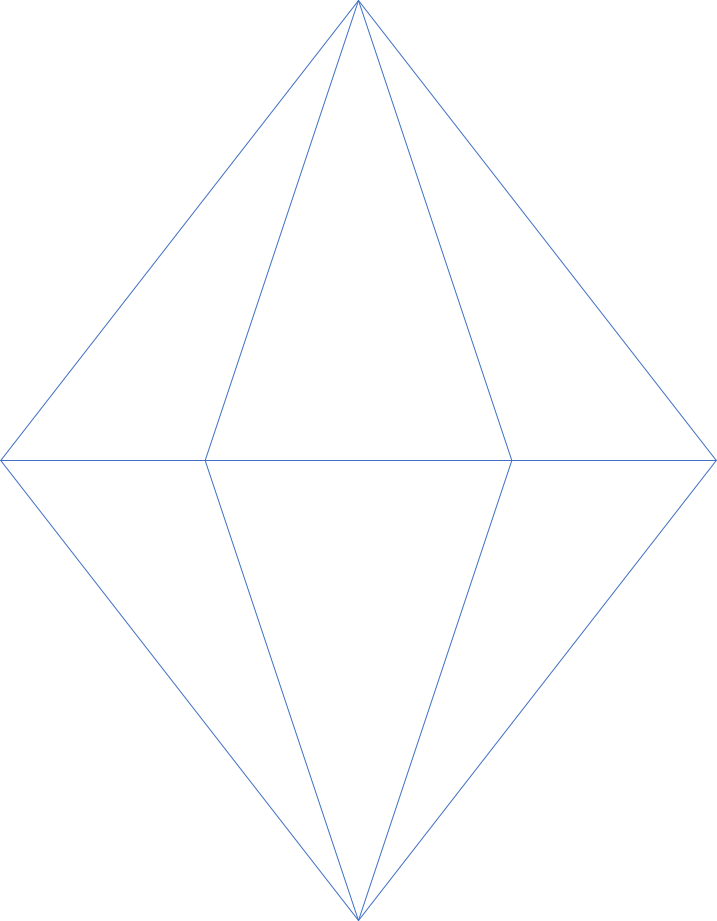
Anatomy of aRound Brilliant
The vocabulary that appears on every grading report — and on every conversation you will have with a cutter.
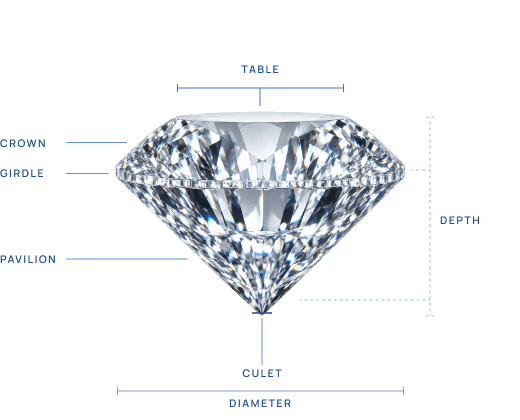
Cross-section of a 58-facet round brilliant. Table and depth percentages are quoted on every report we issue.
Glossary of Terms
- Table
- The flat top facet — quoted as a percentage of total diameter.
- Crown
- The upper portion of the stone, sitting above the girdle.
- Girdle
- The thin outer edge that separates crown from pavilion.
- Pavilion
- The lower portion, below the girdle, that returns light.
- Culet
- The small facet or point at the very bottom of the stone.
- Facet
- A single flat, polished surface on a cut diamond.
- Depth %
- Total height divided by average diameter, as a percentage.
- Brilliance
- The white light reflected straight back to the eye.
- Scintillation
- The sparkle pattern seen as the stone or the light moves.
- Fluorescence
- A soft glow some diamonds emit under ultraviolet light.
- Inclusion
- An internal characteristic formed during the stone’s growth.
- Blemish
- A surface characteristic, usually from polishing or handling.
Common Questions
What BuyersAsk Us Most
A few of the questions we hear most often from businesses looking to source Lab-Grown Diamonds.
No. Individual certification is not provided for every diamond we supply. At Bhargovi Gems, we have built our business around trust, consistency and long-term relationships. We avoid adding unnecessary certification costs and pass those savings on to our customers.
We specialise in HPHT (High Pressure High Temperature) lab-grown diamonds. Our manufacturing process combines HPHT technology with precision planning, cutting, polishing and quality inspection.
Our available sizes, colours and clarities vary based on the specific diamond requirement. We offer a broad selection across different carat sizes, colours and clarity grades, with options available to suit varying specifications and applications. Please contact our team with your requirements for current availability.
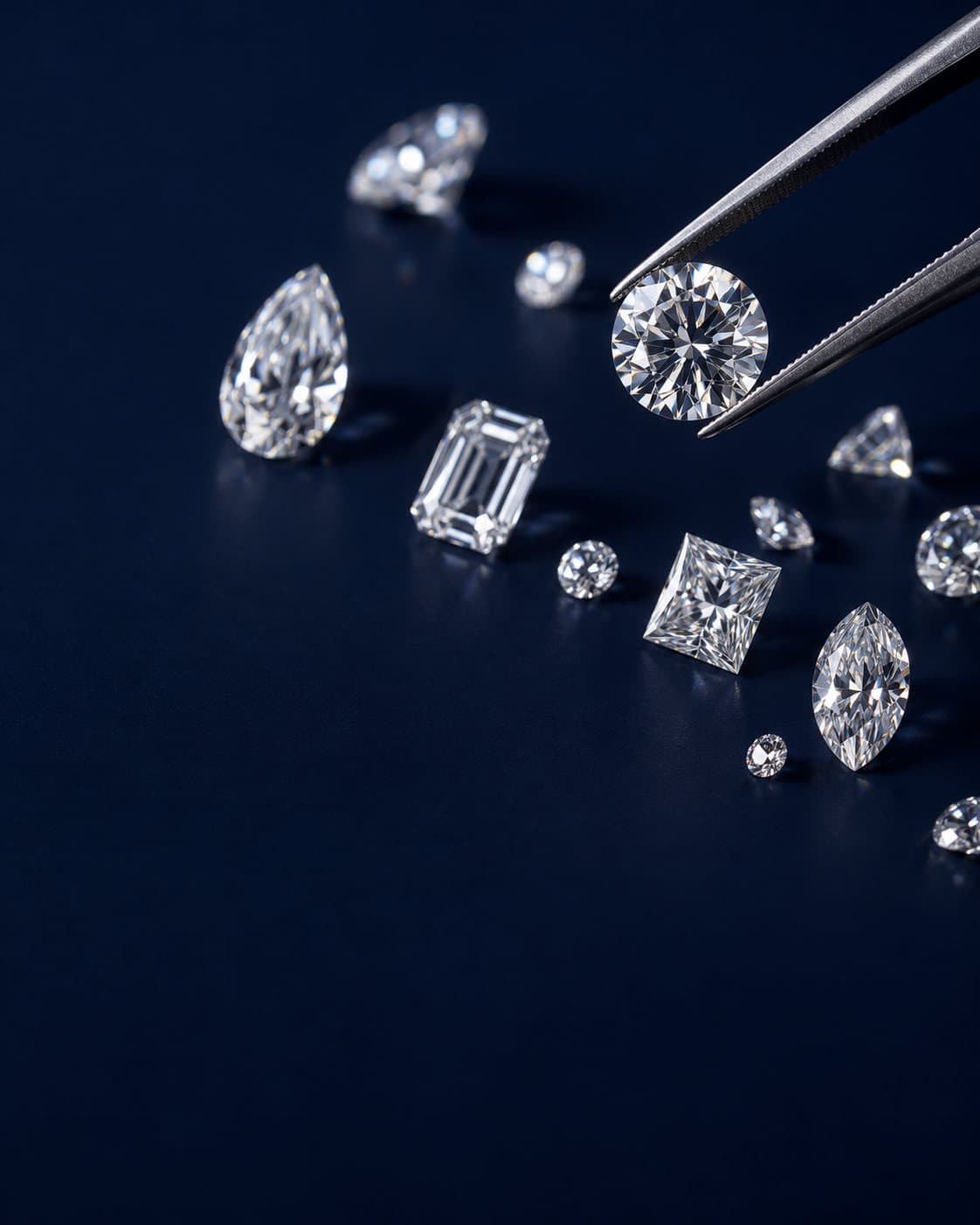
We manufacture both round and fancy-shaped lab-grown diamonds, including Round, Oval, Marquise, Princess, Emerald, Pear, Trillion, Trapezoid, Asscher, Baguette and other specialty shapes.
Yes. We work with trade customers on both individual requirements and recurring supply needs. Orders are handled according to the required specifications, quantity and availability.